
Click Checkboxes to Display Cruising Resources on the Map
Map & Waterside Services for Trent and Mersey Canal
Click Checkboxes to Display Waterside Attractions on the Map
Click Checkboxes to Display Boat Sales, Build & Repair Companies on the Map
Key: Items that appear on our waterway maps at different zoom levels.
70 Winding Hole
 Lock Gates
Bridge 34 Canal Bridge & No.
 Tunnel Aqueduct
Upload your Trent and Mersey Canal Related Photos and or Videos
Note: Images uploaded that are NOT waterway related, will be ignored and deleted.
Please do NOT upload adverts of any kind as these will not be displayed.
Reported breach of copyright will render images suspended pending investigation.
Waterways Connected to The Trent and Mersey Canal
Show Connected Waterways
The Vision Behind the Trent & Mersey CanalWhy the Canal Was Built
Discover the history, construction, engineering achievements, and modern-day use of the Trent & Mersey Canal — one of Britain’s most important waterways built during the Industrial Revolution.
Stretching an impressive 93.5 miles from Derbyshire to the River Mersey, the Trent & Mersey Canal is one of England’s most iconic and historically significant waterways. Built during the surge of industrial expansion in the 18th century, the canal connected major manufacturing centres, enabled efficient transport of goods, and showcased exceptional feats of engineering that still inspire today.
In the mid-18th century, Britain’s Industrial Revolution was accelerating. The Potteries of North Staffordshire, the coalfields of Derbyshire, and the developing port of Liverpool were vital economic hubs — but transporting goods between them was slow, costly, and unreliable over poorly maintained roads.
The canal was opened in 1777 only 6 years after the Bridgewater Canal.
The Trent & Mersey Canal was Built & Designed to:
- Transport pottery safely from Josiah Wedgwood’s factories
- Move coal, limestone, and raw materials between the Midlands and the North West
- Create a through-route from the River Trent to the River Mersey, linking the Midlands to the Irish Sea
- Reduce transport costs and speed up industrial supply chains
Businessman and potter Josiah Wedgwood was one of the most passionate advocates for the canal, believing it essential for the future of British ceramics.
Construction and Engineering Leadership
Principal Engineer: James Brindley
The canal’s engineering mastermind was James Brindley, one of the greatest canal engineers of the Georgian era. His bold designs, innovative surveying methods, and understanding of the landscape made the Trent & Mersey Canal a pioneering achievement.
Dates of Construction
Authorised by Act of Parliament: 1766
Construction period: 1766 – 1777
Officially opened: 1777
The project took 11 years to complete, involving thousands of labourers, navvies, stone masons, and engineers.
The Trent & Mersey Canal is Renowned for Major Feats of Engineering
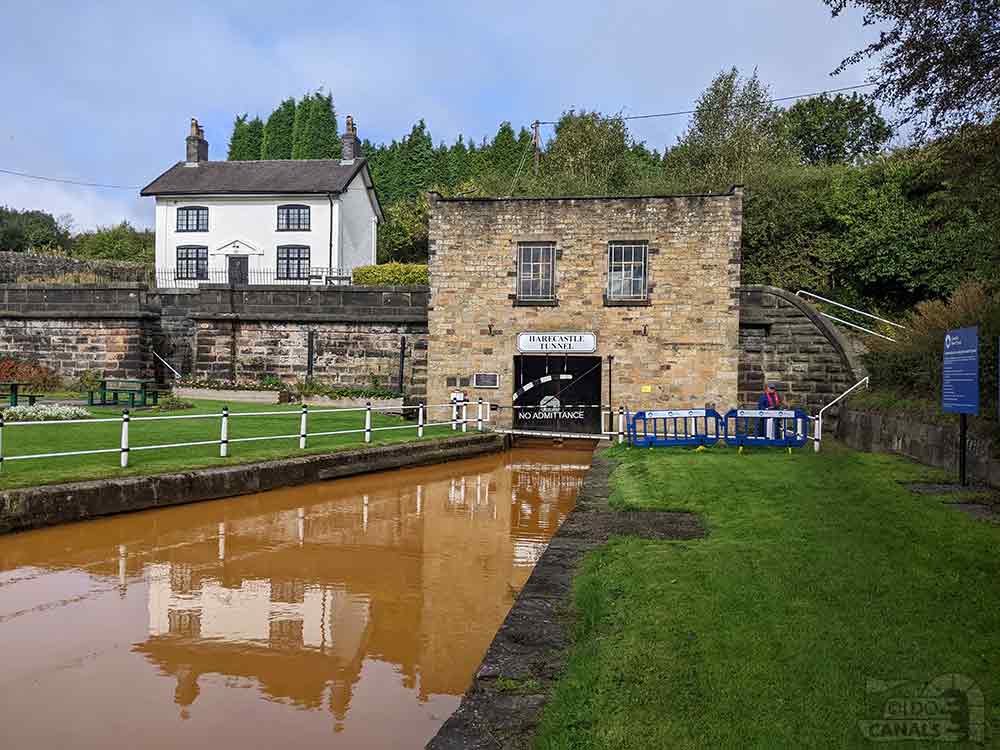
- 1. Harecastle Tunnel (Old Tunnel) – Brindley’s Masterpiece
Completed in 1777
Length: 2,880 yards (approx. 1.6 miles)
One of the longest canal tunnels in the world at its opening
Required workers to dig through difficult terrain with simple tools
This project alone took 11 years, demonstrating Brindley’s ambition and determination. - 2. Anderton Boat Lift
Although built later in 1875, the lift formed a dramatic connection between the Trent & Mersey Canal and the River Weaver. It is a world-famous structure featuring:
A 50-foot vertical lift
Caisson chambers raising entire boats
Victorian hydraulic engineering brilliance
It remains one of the most impressive canal features in Britain. - 3. Aqueducts, embankments, and cuttings
Brindley’s design avoided steep climbs by:
Constructing large embankments
Cutting through hillsides
Spanning valleys with aqueducts
These solutions ensured smooth navigation across varying landscapes.
Why the Trent & Mersey Canal Was Important
During the 18th and 19th centuries, the canal became a critical commercial corridor, supporting:
The pottery industry (Wedgwood, Spode, Minton)
Coal mining
Salt production in Cheshire
Iron, grain, and textile transport
Links to the entire national canal network
It helped transform England into a global industrial powerhouse.
Decline in the 20th Century
Like many British canals, the Trent & Mersey faced a steep decline due to:
Growth of the railways in the 1800s
Rise of commercial road transport in the 20th century
Closure of trading wharves and loss of freight traffic
By the 1960s, parts of the canal were at risk of abandonment.
Revival and Restoration
The 1960s and 1970s saw renewed interest in preserving historic waterways. Thanks to passionate volunteers, heritage groups, and national organisations such as British Waterways (now Canal & River Trust), the Trent & Mersey Canal was restored for:
- Leisure boating
- Angling
- Walkers and cyclists
- Local tourism
- Heritage protection
Today, the canal is thriving once again.
Trent and Mersey Canal FacilitiesSee Map (above) for Full Listing & Locations
40 x
Pubs

12 x
Boat Diesel Sales

13 x
Pump Out and Sanitation Services

30 x
Water Points

71 x
Visitor Mooring Locations

History and General Knowledge of the Trent and Mersey Canal
The Trent & Mersey Canal Today
The canal is now one of Britain’s most popular waterways. Modern-day uses include:
1. Leisure Boating
Thousands of narrowboats use the canal each year, travelling through:
Scenic countryside
Historic industrial landscapes
Tunnels, locks, and winding cuttings
Its connection to the broader canal network makes it a favourite for holiday cruisers.
2. Towpath Activities
The towpath is used for:
Walking, Cycling, Jogging and Wildlife spotting.
Large sections are now part of the National Cycle Network.
3. Fishing
The canal is a haven for anglers, with species such as:
Roach, , Bream, Perch, Pike and Tench.
Popular fishing zones exist near Burton, Stone, Middlewich, and Stoke.
4. Tourism and Pubs
Along the route are charming waterside pubs, visitor centres, and attractions, including:
- Anderton Boat Lift Visitor Centre
- Fradley Junction Nature Reserve
- Trentham Estate
- Shardlow’s historic inland port
These make the canal perfect for weekend walkers and boating holidaymakers.
Conclusion
The Trent & Mersey Canal stands as one of the greatest engineering and economic achievements of the Industrial Revolution. From Brindley's innovative tunnel designs to its role in supporting Britain’s manufacturing boom, the canal remains a symbol of ingenuity and ambition. Today, its restored towpaths, heritage structures, and thriving leisure activities make it a beloved waterway enjoyed by thousands each year.
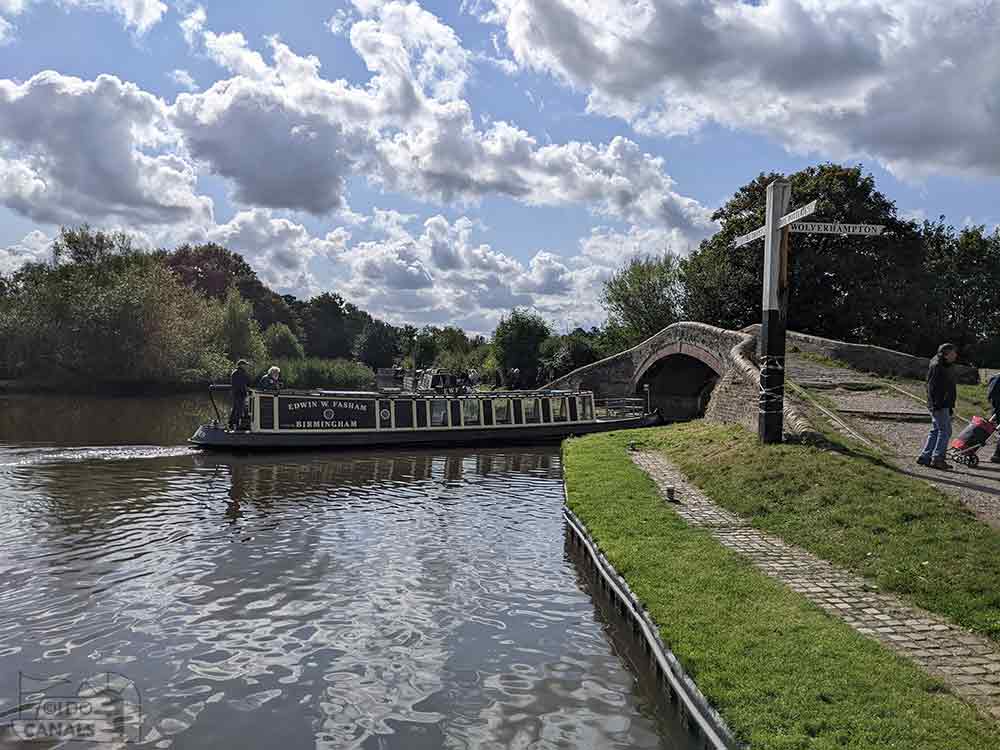
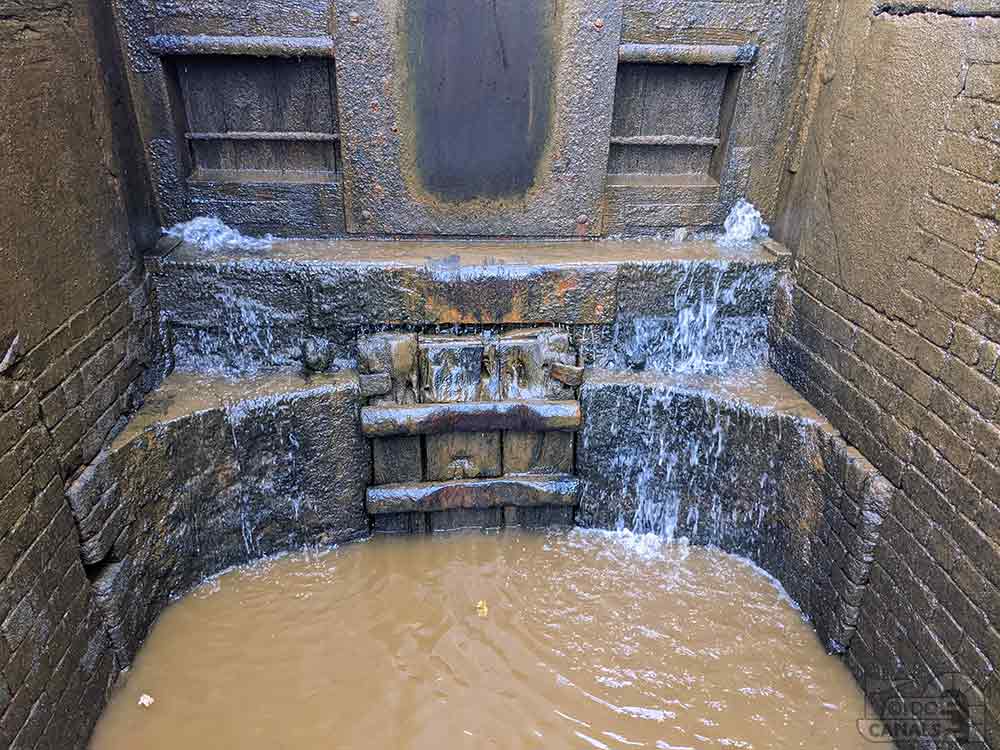
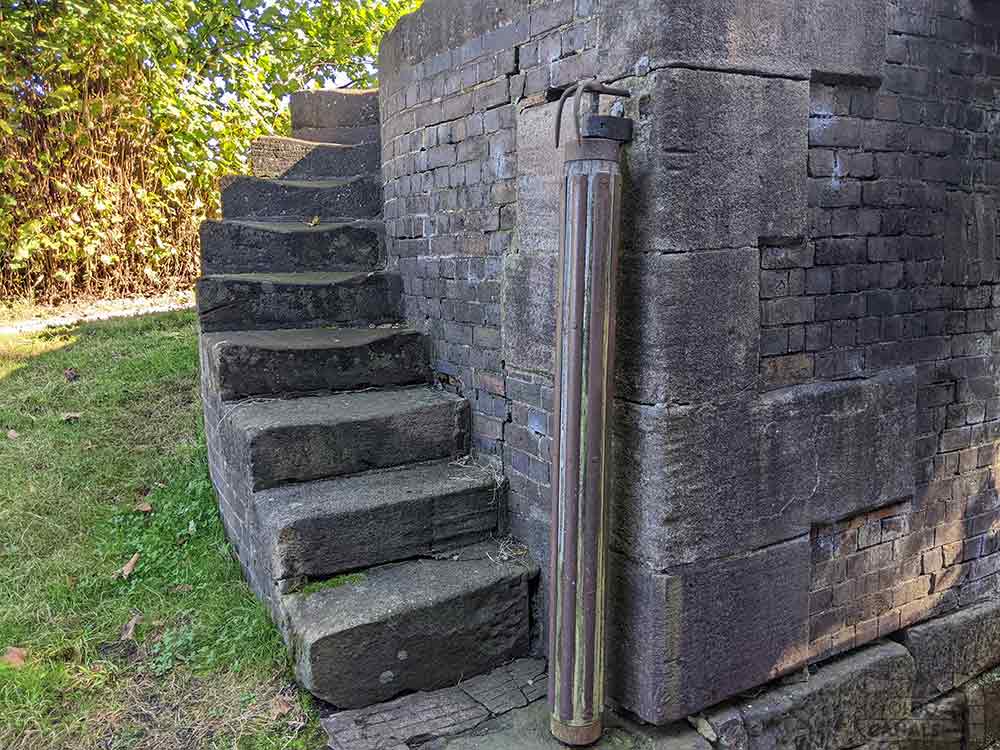
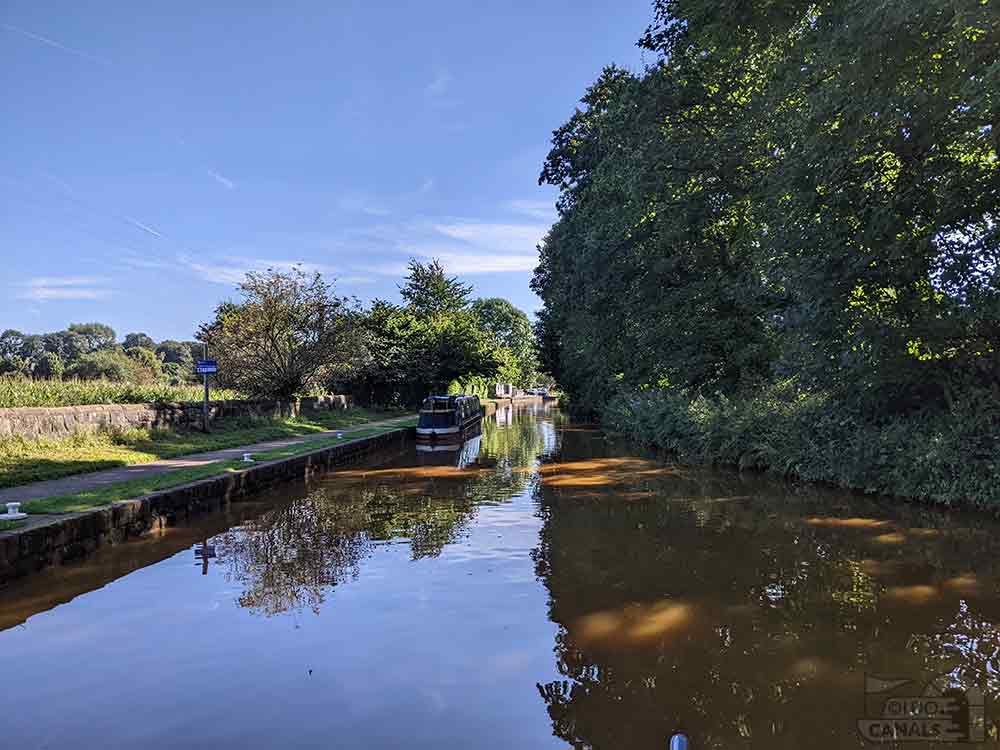
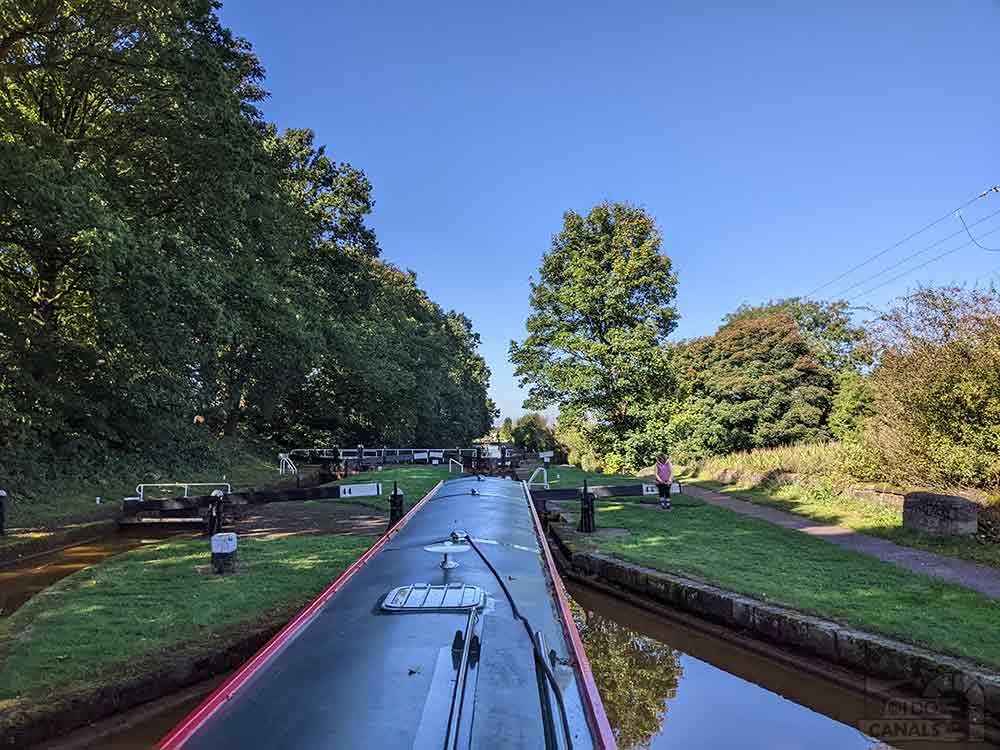
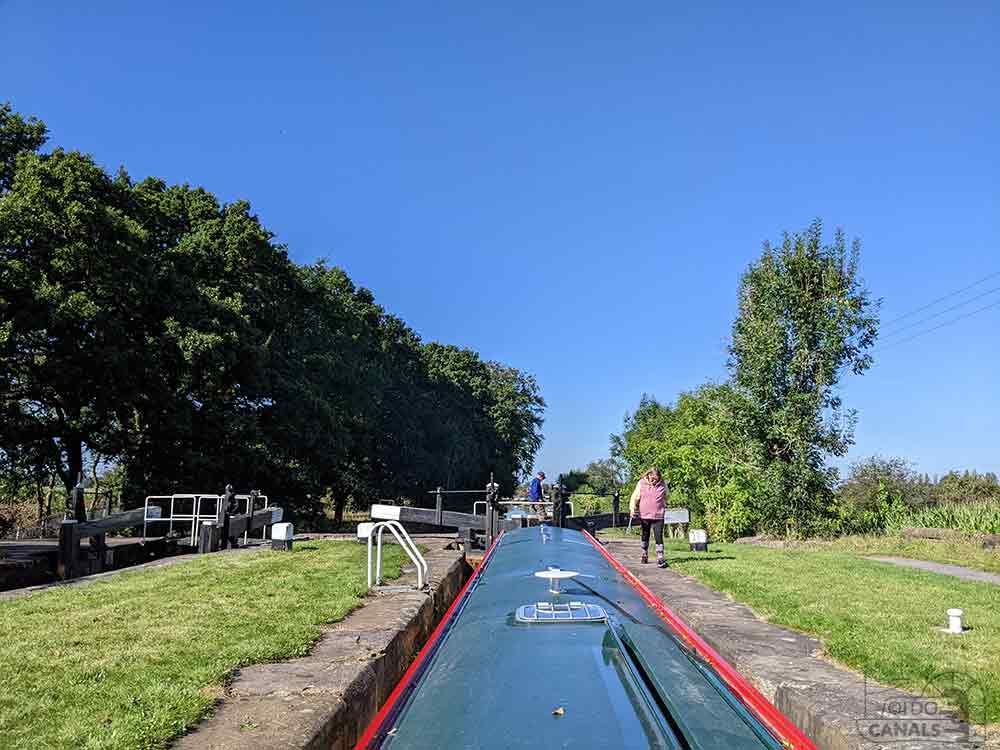
Trent and Mersey Canal Images
We try our very best, but here's a Disclaimer just in case!
Users of the information displayed in this website or in websites linked to directly or indirectly, do so on the basis that it is a guide only. I Do Canals or its directors, partners or associates do not accept any responsibility for inaccuracies, omissions, costs incurred or disappointments of any kind what-so-ever. It is the users responsibility to check directly with any services, displayed, listed or linked to in or from this website, or associated parties with regards to (but not limited to) directions, costs, facilities, services, hospitality, availability, accommodation, etc. There is no implied recommendation for any of the entries or firms listed, nor is any criticism implied for any entry or firm not yet listed.
We have added 111 Waterways and there are 3379 entries listed and displayed on our maps and/or the resource pages:
Waterways Resources -
Boat Build & Fit Out -
Waterside Attractions. We continue to add items on a very regular basis.
Many entries have several services on offer, on average 5 services (some have many more). This means there are approx. 5 x the number of services listed.
Add a Feature or Service to One of Our Website Maps and Lists